Woks have long claimed a prized spot in kitchens around the arena. From fiery stir-fries in Guangzhou to house-fried noodles in Brooklyn, these deep, sloped pans have helped generations of cooks bring warm and flavor in combination in minutes. But for those who’re buying a wok with the intention to remaining, two parts lead the %: forged iron and carbon metal. Both have their diehard lovers and unusual personalities. If durability is your fundamental crisis, notwithstanding, the selection isn’t as fundamental as settling on the only that “lasts longer.” Real-global use is more difficult.
Let’s dig into how solid iron woks stack as much as carbon steel when it comes to toughness, resilience, and an entire life of useful cooking.
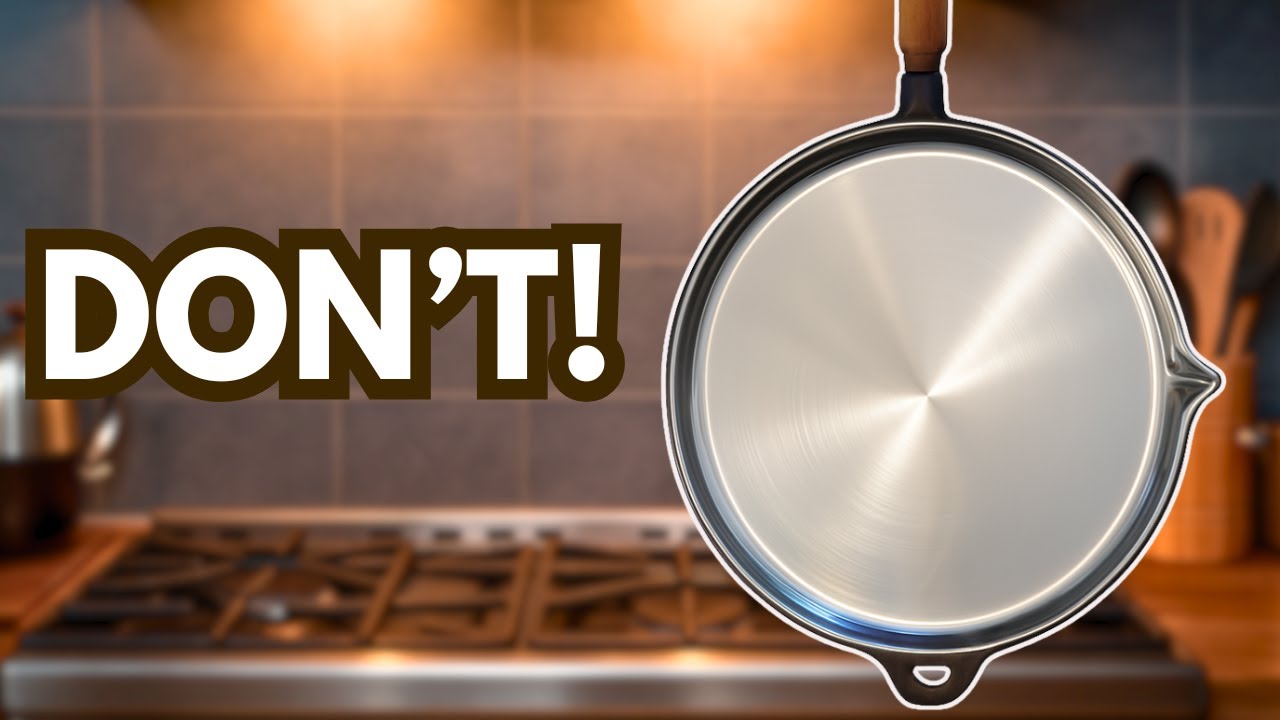
The Nature of Cast Iron vs Carbon Steel
Both cast iron and carbon metallic are styles of iron alloyed with carbon. The big difference lies in each the amount of carbon show and how they’re made.

Cast iron involves more carbon (quite often 2-four p.c.) and is poured molten into molds - for that reason “forged.” It’s dense, relatively brittle, and widespread for its heft.
Carbon metal incorporates less carbon (round zero.5-1 percent), giving it flexibility and malleability. It’s rolled or hammered into structure as opposed to poured.
These features shape no longer simply how every single wok feels yet additionally how it stands as much as time.
Strength Isn’t Everything
People basically equate weight or thickness with sturdiness. Cast iron feels indestructible to your hands; maximum traditional woks weigh eight to 12 kilos or greater. That mass has its virtues: even warm distribution, rock-good balance on a burner, and an essentially ceremonial presence on the stovetop.
But there’s a turn edge. Cast iron’s density makes it much less forgiving under influence or sudden temperature swings. Drop it onto a tile ground or warmness it too %%!%%1d7b75be-1/3-4654-924c-80ab3de59c8b%%!%% when bloodless, and it's going to crack and even shatter. I’ve obvious old cast iron pans break up smooth from an accidental knock in opposition to a sink part.
Carbon metallic woks are much lighter - aas a rule 2 to 5 kilos for comparable sizes - yet don’t mistake lightness for weakness. Their thinner partitions flex underneath pressure as opposed to spoil, giving them a stunning longevity towards knocks and bangs.
If you've gotten young people who desire to assist out within the kitchen or you have a tendency to prepare dinner at unusual hours when you’re not normally at your maximum coordinated, this would make your complete big difference.
Real-World Durability: Kitchen Life
Heat Tolerance
Wok cooking manner excessive warmness - that’s half the aspect. Both components excel the following in comparison to aluminum or nonstick selections.
However, there are subtleties:
- Cast iron heats slowly but keeps warmth like no other. This works superbly for searing proteins or conserving delicacies heat. Still, that similar high quality manner once you overheat an empty solid iron wok, you risk warping or cracking. Carbon metallic heats up quick and cools down %%!%%1d7b75be-1/3-4654-924c-80ab3de59c8b%%!%%, giving you nimble management over temperature shifts. It handles thermal surprise greater; possible toss cold cabbage right into a warm pan without being worried about damage.
I once left a forged iron wok on full blast at the same time as prepping elements for only a couple minutes too lengthy. The base developed hairline cracks from the speedy expansion. My old carbon metallic wok has survived worse abuses with just some scarring.
Impact Resistance
Here the tables turn. A dropped forged iron wok might not dent, however if it lands improper, it could holiday. Carbon metal, however, may strengthen warps or bends if mistreated however is unlikely to fail catastrophically.
I’ve considered restaurant kitchens in which battered ancient carbon steel woks hinder churning out nutrition after being unintentionally tossed onto concrete flooring for the time of busy rushes. They would come away bent out of structure but hardly turn out to be unusable.
Rust: The Silent Enemy
Neither subject material is stainless; either want care to ward off rust. Seasoning - constructing up layers of polymerized oil - protects either types and improves their nonstick functionality.
But there are distinctions:
- Cast iron is greater porous, so moisture can seep deeper if no longer kept dry and oiled. Left neglected, rust can consume pits into its surface. Carbon steel rusts swifter but greater superficially; rust routinely seems as floor movie other than deep pitting.
If you dwell in a damp local weather or infrequently fail to remember to dry your cookware competently after washing, this things. I’ve rescued antique rusted carbon metal woks with a few elbow grease and re-seasoning. Deeply pitted solid iron pans are more difficult to fix.
Longevity Under Heavy Use
Professional kitchens provide a tension-try out ambiance for cookware. In Chinese eating place settings in which woks get blasted with the aid of roaring gas jets all day, such a lot cooks pick out carbon steel for a rationale: it stands as much as heavy use, cleans up immediate between dishes, and tolerates difficult managing.
But there’s a caveat - maximum restaurant chefs use around-bottomed woks over really expert burners. Home cooks using flat-bottomed woks on electrical stovetops would find forged iron’s steadiness an asset.
At home, either fashion can last many years with care. My possess grandmother’s solid iron wok noticed weekly use for over forty years earlier retiring with only minor scars from occasional rust battles. My first carbon metallic wok has survived every thing from burnt peanut sauce to being unintentionally left open air on a rainy evening.
Maintenance: An Honest Comparison
Durability isn’t very nearly what occurs after you drop your pan or crank up the heat. It’s additionally about how plenty work goes into retaining your wok in ideal form.
Seasoning Rituals
Both styles call for seasoning ahead of first use (except pre-seasoned at the manufacturing facility). The course of consists of heating oil until it polymerizes right into a difficult coating, which provides safe practices from rust and supports foodstuff free up with no trouble.
Seasoning sticks smartly to each resources but has a few quirks:
- Cast iron’s rougher floor supplies oil extra locations to seize on; seasoning builds thickly but may additionally flake if overheated. Carbon steel’s smoother surface requires more skinny layers for top-quality effects; preliminary seasoning could show up patchy yet evens out with use.
Many wok homeowners in finding that carbon metal “breaks in” swifter with on daily basis cooking, coming up an nearly glassy black patina through the years. Cast iron seasoning has a tendency to be thicker yet extra more likely to chipping if scrubbed tough or subjected to unexpected thermal shock.

Cleaning Realities
Some guidance says by no means use cleaning soap on both form; in fact, a little bit gentle cleaning soap won’t destroy seasoning if rinsed speedily. Avoid soaking either models. For burnt-on bits, salt scrubs paintings wonders.
Carbon metal’s lighter weight makes scrubbing less difficult on wrists - whatever thing I have an understanding of on busy weeknights after three rounds of fried rice for hungry teenagers.
Repairs and Restoration
Carbon metallic has an side here for DIY fixes. Rusty? Scrub off the rust with metallic wool, dry wholly, and reseason. Warped? Some woks will also be lightly hammered back into shape.
Cracked cast iron is an alternate tale. There’s no common restoration for breaks or deep pits. Small chips can also be smoothed out, however as soon as structural integrity is going, alternative is pretty much the simply option.
The Feel Factor: Ergonomics Meet Endurance
Durability isn’t basically how long a specific thing lasts however also how delightful it really is to use through the years.
A heavy solid iron wok might be unwieldy for tossing foodstuff - noticeably whilst full. Some units come with wood helper handles for two-exceeded lifting, which is helping yet adds bulk. If you have got wrist or shoulder concerns, this issues.
Carbon steel woks are easy ample for one-passed tossing even if loaded with veggies or noodles. Their thinner walls suggest they respond %%!%%1d7b75be-1/3-4654-924c-80ab3de59c8b%%!%% to burner changes - very important for soft sauces or instant sears.
If you need some thing you’ll succeed in for day-after-day devoid of dreading cleanup or stress, weight becomes component of the longevity equation.
Edge Cases: Induction Cooking, Camping, Outdoor Kitchens
Certain instances tip the scales for one cloth over the other.
- Induction stoves require magnetic cookware; either cast iron and such a lot carbon metal paintings smartly the following. For open-hearth cooking (camping journeys, outdoor barbecues), solid iron’s sturdiness shines yet beware of cracks from uneven heating across warm coals. If you trip along with your cookware (believe foodstuff vehicles), carbon metallic provides portability devoid of sacrificing sturdiness. In climates with extreme humidity or salt air (coastal homes), commonly used protection will become indispensable for equally kinds - but exchanging a rusted-out carbon metal wok is less painful at the pockets.
A Side-by using-Side Snapshot
A short desk supports clarify the place each and every cloth excels:
| Feature | Cast Iron Wok | Carbon Steel Wok | |----------------------|-------------------------|--------------------------| | Weight | Heavy (8-12 lbs) | Light (2-five lbs) | | Heat Retention | Excellent | Good | | Heat Responsiveness | Slow | Fast | | Impact Resistance | Brittle (might also crack) | Dents/warps however infrequently breaks | | Rust Susceptibility | Deep pitting you'll be able to | Surface rust overall | | Seasoning | Thick however chips/flakes | Builds smoothly | | Ease of Restoration | Difficult if cracked | Easy to fix/reseason | | Cost (widespread) | Moderate | Often less expensive | | Ergonomics | Bulky/heavy | Nimble/easy |
A Few Practical Scenarios
To spotlight business-offs past specifications, right here’s how each category holds up in actual kitchens:
Home Cooks With Electric Stoves
Flat-bottomed cast iron woks sit down flush on electric coils or glass tops, allotting warmth evenly across their base. Their weight prevents tipping while stirring vigorously. If you rarely toss additives by means of hand (via spatulas as a substitute), this steadiness is welcome.
Fast-Paced Stir-Fry Lovers
If you crave restaurant-fashion wok hei - the elusive “breath of the wok” style - carbon metallic affords the agility wished for instant tossing over prime flames. Its lighter construct permits for dramatic flicks with no wrist pressure.
Multi-Generational Heirlooms
Both models can last a long time, however solid iron incessantly will become own family heirlooms as a result of their iconic seem and experience of permanence. There’s something pleasurable about passing down a wok that has pro by way of generations of foodstuff.
Forgetful Cleaners
If you on occasion disregard to dry your pan desirable after washing (or get distracted by kids/pets), carbon metallic bargains less demanding recovery from minor rust incidents.
When Durability Meets Value
Price enters the equation too. A high-quality cast iron wok almost always prices $35-$70, depending on company and length; hand-hammered carbon steel units broadly speaking run $25-$50. Neither is prohibitively expensive when compared to top rate nonstick possible choices that wear out in two years.
But alternative price matters much less for those who treat your wok as an funding - a specific thing that will get bigger with age in place of worse.
Quick Reference: Durability Checklist
If you wish an at-a-glance feel of what issues so much for lengthy-time period sturdiness:
Can you raise the wok without problems while full? Are you likely to drop it? If so, lighter may be more secure. Will you protect seasoning almost always? Do you decide upon nimble tossing or reliable steadiness? Is trouble-free healing useful if rust develops?This checklist helps focal point on proper-existence demands in place of just specs on paper.
Final Thoughts: Which Material Wins?
If pure toughness have been all that mattered - assuming cautious managing - solid iron in all likelihood outlasts so much vendors. Its mass resists warping, its seasoning receives richer with time, and its classic traces glance important decade after decade.
But kitchens aren’t museums. They’re chaotic puts wherein things get dropped, scorched, left soaking in a single day, or exceeded off to youngsters finding out their first stir-fry actions.
For maximum chefs attempting durable performance day https://andersonxzsi233.lowescouponn.com/traditional-cooking-cast-iron-wok-vs-carbon-steel-wok in and trip, carbon metallic provides an practically unbeatable combine of toughness, repairability, ease of coping with, and value. With general care, it shrugs off abuse that will doom heavier competitors.
Still, there’s a spot for the two: cast iron in the event you crave substance and historical past; carbon metal if you happen to favor velocity and resilience.
Either manner, treat your wok well and it will outlive several nonstick pans - bearing tales (and stains) from every meal along the approach.